Some time ago, Deeper Roots explored the female blues pioneers of the early century in a show called “Black Pearls”. In this week’s episode, we’re going to move forward in time a bit, into the mid-century to explore the ‘inheritors’, those women who were influenced by the blues stylings of Sara Miles, Sippie Wallace, and Victoria Spivey. Performers this week will include Julia Lee, Lil Armstrong, Nellie Lutcher, and many others in an episode titled “Blues Divas”. Post-Depression and Post-War jazz, R&B, and blues sounds from some of the influential female artists who, in step with their early century counterparts, would go on to provide a foundation for the many who would follow. Be sure to tune in.
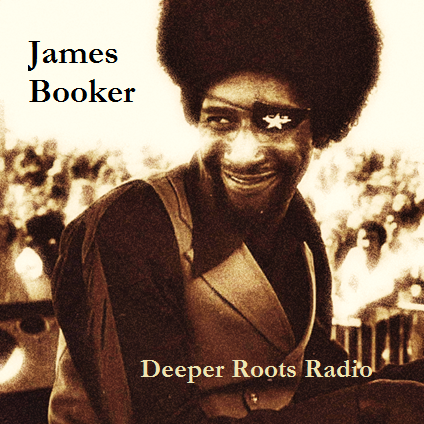
Every now and then Deeper Roots will take a step back and look at the unknowns, not for their anonymity as much for their stories and why their music is so important to the American story. A documentary was recently released entitled “Bayou Maharajah: The Tragic Genius of James Booker”, http://www.bayoumaharajah.com/ directed by Lily Keber. It tells the story of the classically trained session man and we’re going to also explore the contributions that Booker made to the music of others, his quirky yet brilliant talent in performances of his own, and we’ll also share some of the stories of James Booker’s celebrated ups and tragic lows.
Okay…what the heck and why not? Deeper Roots goes holiday flavor with songs of spiders, witches, graveyards, and that voodoo that we do. Tune in for musical selections from the vaults of the last century of America’s music, including pieces that celebrate the genres of jazz, country, blues, and rock. We’ll also cover some excerpts from some of the more famous ‘Halloween’ screen themes. Performers include Spike Jones, Fats Waller, Luis Russell, and (of course) Leon Russell’s backup piano with the Crypt-Kickers on Monster Mash.
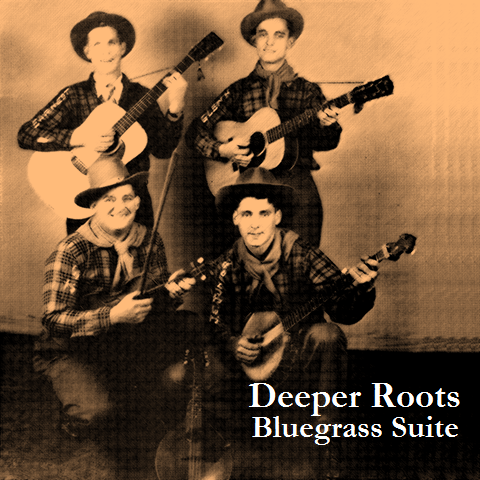
Bluegrass is our theme. The sound and tradition can be traced back to Jamestown settlers who migrated into the Carolinas, Tennessee, Kentucky and the Virginias. Bringing the memories and traditional sounds of music they recalled from home, they would compose new songs about their day-to-day life experiences in the new land. Their rural life would bring their music to reflect their life on the farm or in the hills and it would come to be known as mountain music. The phonograph and radio brought this sound out of the South, expanding its audience and ensuring its entrenchment in the American traditional psyche. Join Dave Stroud this week for music from old and new; from Wade Mainer and The Stoneman Family to the Monroes, Jimmy Martin, and Bela Fleck. A sound that’s sure to entertain.
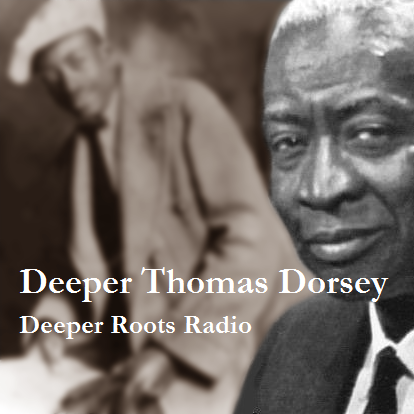
It’s another two hours celebrating the best of the last century of America’s music on Deeper Roots. In this week’s episode, Dave Stroud will be exploring the secular side of Thomas Dorsey, as Dorsey performed early century blues as Georgia Tom, and then more about Dorsey’s sacred side as the Reverend Thomas Dorsey in the mid-to-late century. As the Great Depression brought chaos to the lives of many, including the performers of the day, Dorsey finalized a lifelong transition from the secular to the sacred, although there is clear evidence that personal misfortune had its hand in the move. The evening’s playlist includes excerpts from Dorsey interviews, music by contemporaries and those who were influenced by his music, as well as pieces performed by Dorsey as Georgia Tom, featuring Tampa Red on guitar. Johnny Cash, Sister Rosetta Tharpe, Kansas City Kitty, Clara Ward, and Sweet Honey in The Rock are among the acts who we’ll hear in a show called “Deeper Thomas Dorsey”.
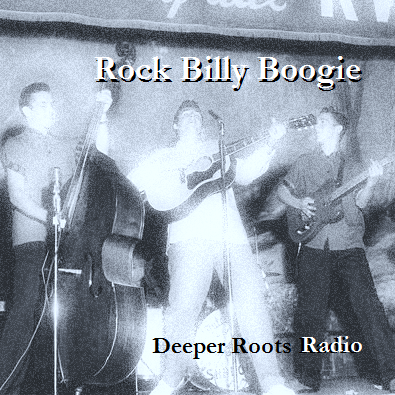
Join us for some unbridled passion featuring ducktails, attitude, and rocking rhythm…all in the tradition of the north, west, east, and south. We speak of that genre that keeps on churning: rockabilly. It’s a genre that’s seen more revivals than a traveling preacher in the Midwest and South during the late 1930s. The recordings were pretty rustic: a bass, some driving percussion, and excitable guitar riffs and the vocals often phrased by rebel yells. We’ll be tearing it up with some of the very best including Johnny Burnette’s Rock ‘n Roll Trio, Billy Lee Riley, Carl Perkins, and Jerry Lee Lewis…and those were just the top drawer stars. We’ll also hear from the ladies: Wanda Jackson, Charline Arthur, and Janis Martin as well as the more obscure sounds of Bobby Lord, Hoyt Stevens, and Roy Hall.
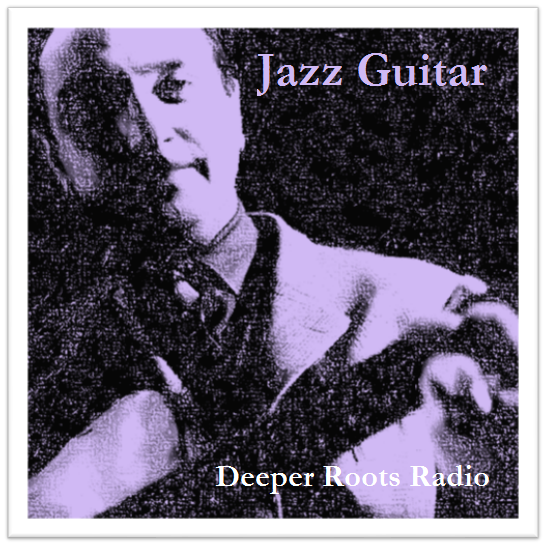
In this episode of Deeper Roots, we explore the diverse sounds of jazz guitar, featuring some of the very best from the early century where the masters defined the role of guitar in trios, quartets, and then finally in the jazz band. In the early century, the guitar was relegated to either solo performances or in smaller ensembles where there was no competition other than strings. It didn’t really have much of a chance in the jazz scene where horns and percussion would simply drown the strings out making it not only impossible to record but impossible to hear in a live performance. All of that changed, of course, with the invention of the electric guitar allowing the sound to come through, holding its own with the saxophone or trumpet.
Our show will feature a number of early blues and jazz practitioners who crafted a sound into gold and paved the way for others. We’ll hear from many of the early gems from the likes of Eddie Lang, Charlie Christian, Tampa Red, Lonnie Johnson, as well as the inheritors including Wes Montgomery, Tal Farlow, and Kenny Burrell.
We have a fresh new episode produced exclusively for KWTF, community radio for Sonoma County. In this week’s two hour journey hosted by Dave Stroud, he takes a ‘theme time-out’ to explore a topic with music from the past century. The theme this week is “Night”…of course. Join Dave as he explores some midnight weeping blues with Barbecue Bob, a celebration of the night time being the right time with Nappy Brown, travels to Memphis in the night from Roy Acuff and Jerry Lee Lewis, some blues in the night with Jimmie Lunceford’s Orchestra, and nights wasted with Freddy Fender…and that’s only a sampling. Join us as we explore the night…our muse that carries us into the morning hours.
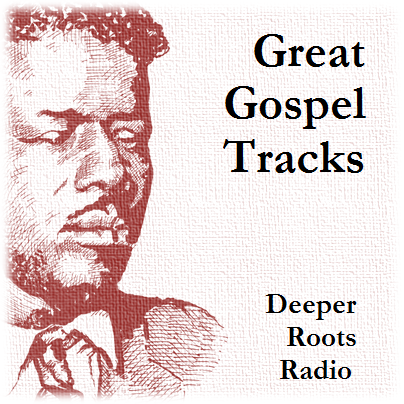
Join Dave Stroud once more as he digs into those dusty digital gospel bins for a selection of songs that celebrate the celestial sounds of a number of the greatest sacred hymns and gospel tunes from the past century of America’s music. “Wade In The Water”, “I’m On My Way To Canaan Land”, “I’ll Fly Away”, and many other classic gospel standards will be covered by some of the great gospel performers as well as those from the secular stable. We’ll hear from Bill Monroe, Blind Willie Johnson, Taj Mahal, Mahalia Jackson, and the Reverend Pearly Brown in a special Deeper Roots show called “Great Gospel Tracks”. Tune in for a show that explores the roots of sounds that explore those sounds of both Europeanized black church music as well as those that have their basis in the holiness-Pentecostal (or sanctified) movement.
Take a guided tour exploring the last century of America’s music on Deeper Roots as we play with the theme of jukeboxes, DJs, turntables, house parties, record shops, Victrolas, and transistor radios…celebrating music with music. We’ll hear a diverse set of songs by artists including a later Roy Orbison piece, three from Merle Haggard, party music with Sam Cooke, Margie Singleton singing about old records, a pair of pieces from Fats Waller, and a host of others.