Lots of early sounds mixed with the new this weekend. Stay tuned for music from the medicine shows, lost provinces, gospel tents, swamps, bandstands, and digital playgrounds. We’ve got Sam Samudio, Shorty Godwin, The Seldom Scene, Shel Silverstein, and Tom Russell in our bi-weekly show broadcast live from the KOWS studios in downtown Occidental, a hamlet tucked into the redwoods along the Bohemian Highway in west Sonoma County. The drought is being beat down and, while we would welcome more rain, we’re hoping that it’s dispersed so that our neighbors can manage without threat of flooding. So we’ll flood you all with a fine collection of performances from the last century of America’s music.
We’ve got a special Monday episode of Deeper Roots. The show originally broadcast live from the KOWS studios in Occidental, California, opens with some Light Crust Doughboys, fires up some modern country gospel from the Watson Twins and Johnny Cash, then goes for the jugular with a collection of Baptist-flavored gospel from Moses Mason, Mother McCollum, and Madam Edna…and that just scratches the sacred surface. The show also features the secular: jump blues from Jesse Price, jazz from Lincoln Center and Willie “The Lion” Smith. Had enough? You won’t. Be sure to check it out.
Deeper Roots takes the theme route in our next KWTF episode, featuring jazz, gospel, country, blues, rock, and R&B that all share the road with stories of that twentieth century cultural icon (and muse): the automobile. We’ll hear songs of Mercurys, Cadillacs, Fords, and Chevrolets that run the gamut of old and new and tell stories of love in the backseat, first car nostalgia, tragedy on the road, and racing in the streets. Performers in this show includeDavid Lindley, K. C. Douglas, Mink DeVille, Kevin Russell and others who will follow a theme that is one of the more common to come out of our age of assembly lines and the rust belt.
Here’s your morning coffee and tea! Join Dave Stroud for a helping of ukulele, blues, gospel, and outlaw meta-modern country sounds. If you haven’t had a chance to find us on a West County Saturday morning, your chance is every second and fourth Saturday morning at 9 PST on TuneIn radio http://tunein.com/radio/KOWS-LP-1073-…. This eclectic blend of music from the past century is also played out on Sundays at 10 PM This week’s show will feature a Langston Hughes reading, some Maria Muldaur, some early century pop from The Boswell Sisters, some cold hard country facts from Sturgill Simpson and Porter Wagoner, and blues from Dave Alvin and Big Bill Broonzy.
Paramount Records was born in 1917 and in the mere fifteen years of their existence they would introduce some of the greatest names in the blues. Ma Rainey, Blind Lemon Jefferson, Charley Patton, Skip James, and Papa Charlie Jackson are but a few. In 2013, Jack White’s Third Man Records teamed up with Revenant Records to release the first of what would become one of the most ambitious attempts at documenting the story of a record company born from a furniture company that was driven to create product for the record cabinets they sold. Based on the book “The Rise and Fall of Paramount Records”, part two of the omnibus will be released later this year (or in early 2015).
This week on Deeper Roots, we share some of the story…and a lot of the music which was not necessarily limited to the blues but also some incredible gospel, mountain, and jazz recordings. When listening through what Dean Blackwell of Revenant Records calls the “gauze of static”, you’ll hear the music of the last century come alive. Tune in Friday night at 9 o’clock for a rare listen.
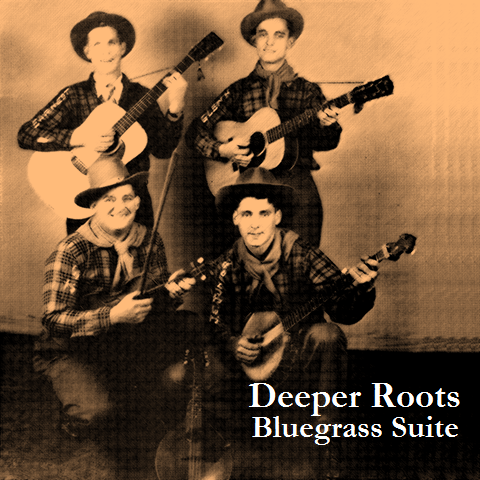
Bluegrass is our theme. The sound and tradition can be traced back to Jamestown settlers who migrated into the Carolinas, Tennessee, Kentucky and the Virginias. Bringing the memories and traditional sounds of music they recalled from home, they would compose new songs about their day-to-day life experiences in the new land. Their rural life would bring their music to reflect their life on the farm or in the hills and it would come to be known as mountain music. The phonograph and radio brought this sound out of the South, expanding its audience and ensuring its entrenchment in the American traditional psyche. Join Dave Stroud this week for music from old and new; from Wade Mainer and The Stoneman Family to the Monroes, Jimmy Martin, and Bela Fleck. A sound that’s sure to entertain.
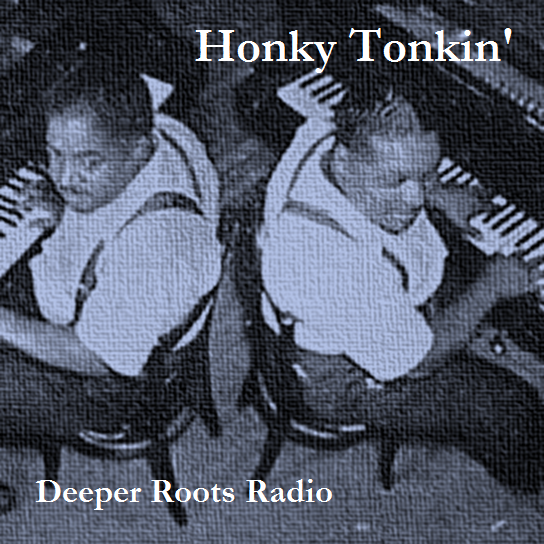
This episode will look at the roots of Honky Tonk: a place where, on one side of the track you, as Roosevelt Sykes points out in “The Honeydripper”, you had the blues performer as Doctor who prescribed Blues as a cure for the Blues and on the other, you had the country sound of Moon Mullican who demanded that the beer bottles danced on the table when the band got rockin’. We’ll spend our time exploring the early sounds of Big Maceo, Albert Ammons, and Jimmy Yancey and move down yonder to the country bars where boogie woogie was also understood. The country honky tonk sounds of Merrill Moore, Bobbie Nelson, Jerry Lee Lewis, and a handful of others will get their chance to entertain. Boogie woogie came to the country and it was retooled and renamed as honky tonk.
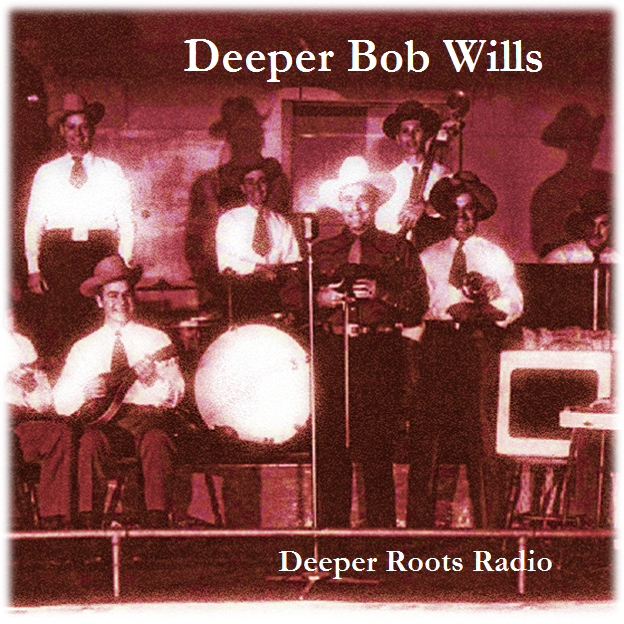
Bob Wills’ name will forever be associated with Western swing. Although he may not have invented the genre he was certainly responsible for popularizing it and would single-handedly change its rules and, in the process, reinvented the rules of popular music. Bob Wills and His Texas Playboys were a dance band with a country string section that played pop songs as if they were jazz numbers. Their music expanded and erased boundaries between genres. It was also some of the most popular music of its era. Throughout the ’40s, the band was one of the most popular groups in the country and the musicians in the Playboys were among the finest of their era. As the popularity of Western swing declined, so did Wills’ popularity, but his influence is immeasurable and he would find a resurgence in the recognition as a foundation of country and rock in later years..
Our show explores traditional pieces and versions that have been covered by contemporary artists. “Mama Don’t Allow”, “Soldier’s Joy”, “That Nasty Swing”, “Worried Mind”, and “Mary of the Wild Moor” are just a handful of the selections we’ll share in our show tonight. Some of the performers included in our set include Ivory Joe Hunter, Bascom Lamar Lunsford, The Dixon Brothers, and Byrd Moore. Join Dave Stroud tonight at 9 on KWTF as he shares the stories of the music, song stories, and performers from the last American century…it’s roots music that does matter.
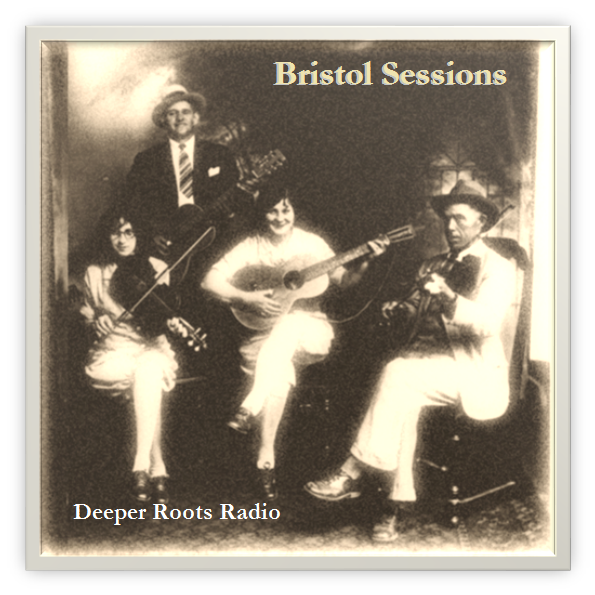
Deeper Roots: A Century of America’s Music goes deeper…back 87 years to the summer of 1927 when Ralph Peer, a producer for the Victor Talking Machine Company visited the town of Bristol, Tennessee scouting for talent. He brought with him the equipment necessary to capture those first-take performances which would come to be known as The Bristol Sessions. From late July through early August artists such as The Carter Family, Jimmie Rodgers and the Stoneman Family made recordings in a makeshift studio inside downtown Bristol’s Taylor-Christian Hat Company. Johnny Cash once said that “These recordings…are the single most important event in the history of country music.”
Join Dave Stroud as Deeper Roots goes beyond the more notable names from these recordings and, with a certain leaning to the country sounds, he will also reveal the gospel and folk tradition that came out of these and the later Johnson City Sessions. We’ll hear from The Johnson Brothers, The Stamps Quartet, Alfred Karnes, Uncle Eck Dunford, and a host of others.